

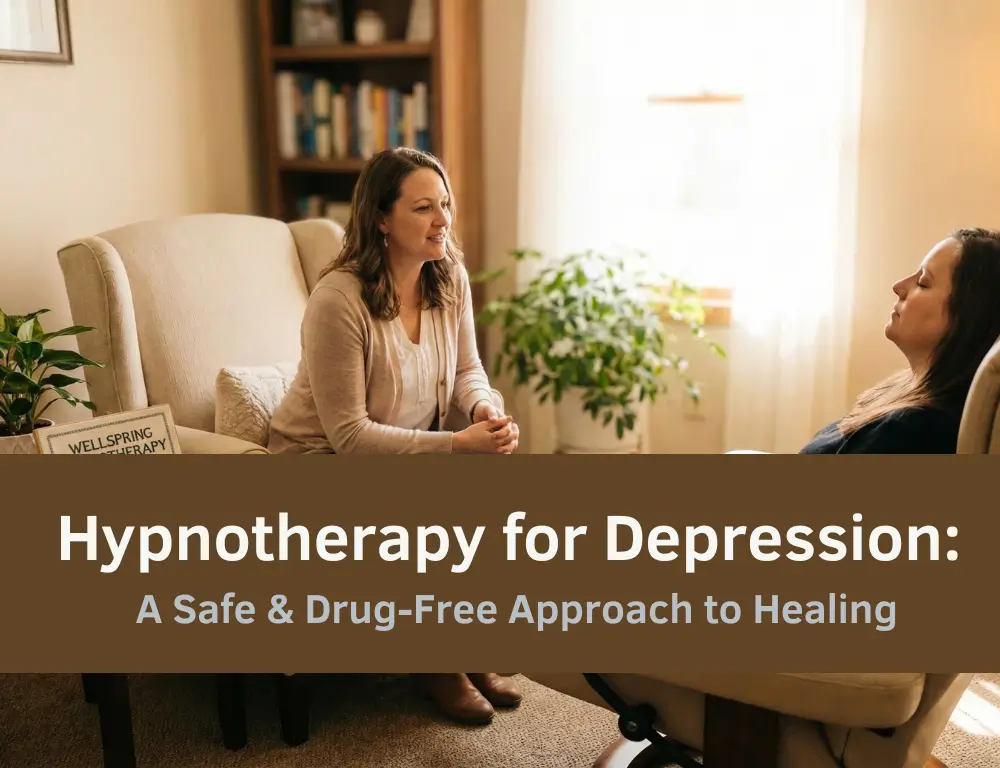
Depression affects millions of people across the globe. Mood, energy, motivation, and, of course, quality of life, are all negatively impacted by depression. While traditional treatments, such as therapy and medication, are effective, many people are beginning to consider innovative approaches. An approach that is becoming more popular is called hypnotherapy for depression. This is a safe, drug-free approach that allows a patient to do most of the healing themselves.
At Tranquil Mindfulness, we specialize in providing depression hypnotherapy that integrates mindfulness techniques with effective, scientific methods. If you have a question such as can hypnotherapy help depression, you need to understand the way hypnotherapy works and what potential it holds in addition to therapy.
Hypnotherapy is a way of treating certain issues that allows a person to relax. While in this other-worldly state, the person is more likely to accept critically positive suggestions and changes in their behavior. In the circumstance of a patient suffering from depression, clinical hypnotherapy can help to change negative patterns and ways of thinking. Furthermore, it can reduce emotional suffering and even provide mechanisms with which a patient may be managed in a more positive way.
The nice thing about hypnotherapy is that it is not medication, and it doesn’t have to change the chemistry of your brain in order to be effective. This makes it best for those who want to avoid medication, experience negative side effects from antidepressants, or want to avoid all the chemicals and drugs that come with typical modern medicine.
Can hypnotherapy help depression? This is a common question that gets asked. The answer is yes. It can be very effective if used in combination with other parts of your mental health plan. Hypnotherapy can and does help those who:
Hypnotherapy is used with other treatment modalities and not to be a stand alone or all inclusive answer for all problems. Most patients enjoy the combination of depression hypnotherapy and psychotherapy the most.
Hypnotherapy may not be a possibility but it may be able to assist those who suffer from depression. While it may be unrealistic to ask can hypnotherapy cure depression, it is a known fact that hypnotherapy can treat:
At Tranquil Mindfulness, our sessions are customized to fit the different needs of each of our clients by us using many different techniques to assist their challenges.
These methods make hypnotherapy for depression highly effective and adaptable to individual needs.
When you search for hypnotherapy for depression, you will find many advantages, as it is completely different from traditional therapies:
For those interested in becoming practitioners, clinical hypnotherapy training and clinical hypnotherapy courses ensure professional skills and competence in depression hypnotherapy.
Hypnotherapy for anxiety and depression helps the patient’s nervous system, emotionally stabilizes, and stops intrusive thoughts. Anxiety and depression are co-existing diseases that irritate each other’s negative symptoms. Each patient can reach emotional stability and autonomy in the following areas:
Hypnotherapy for depression also benefits those struggling with anxiety, as it promotes calmness and emotional balance for everyday stressors.
Any adult who is willing to approach their mental health in a non-drug manner can use hypnotherapy for depression. Adults can use this service, and it can help you if you:
It is possible to see a hypnotherapist trained to work with depression to see if this is a good fit for you.
Yes. Hypnotherapy, as well as medication, works to help manage the underlying issues of negative thinking and response. Hypnotherapy is also one more way to help a person feel better.
Each person is different with their individual needs, goals, and the intensity of their symptoms. However, most clients begin to feel the improvements they desire after 4-8 appointments.
Yes. Medication is not required for therapy. All of the therapists are trained and use very safe methods, and the side effects are not a concern.
Although hypnotherapy is not likely to guarantee a permanent solution, it can help significantly.
Clinical hypnotherapy training and clinical hypnotherapy courses are available for those interested in professional practice, providing certification and hands-on experience.